Physical Address
304 North Cardinal St.
Dorchester Center, MA 02124
Physical Address
304 North Cardinal St.
Dorchester Center, MA 02124

When you deposit money into a crypto savings account, you expect to see your balance grow. But have you ever stopped to ask: “Where is this money actually coming from?”
In 2026, not all interests are created equal. Most people are familiar with the Lending Model used by platforms like Nexo and YouHodler. However, a new, more efficient model called Real Revenue is quickly becoming the gold standard for savvy savers.
Understanding the difference is the key to knowing which platform is safer for your long-term wealth.
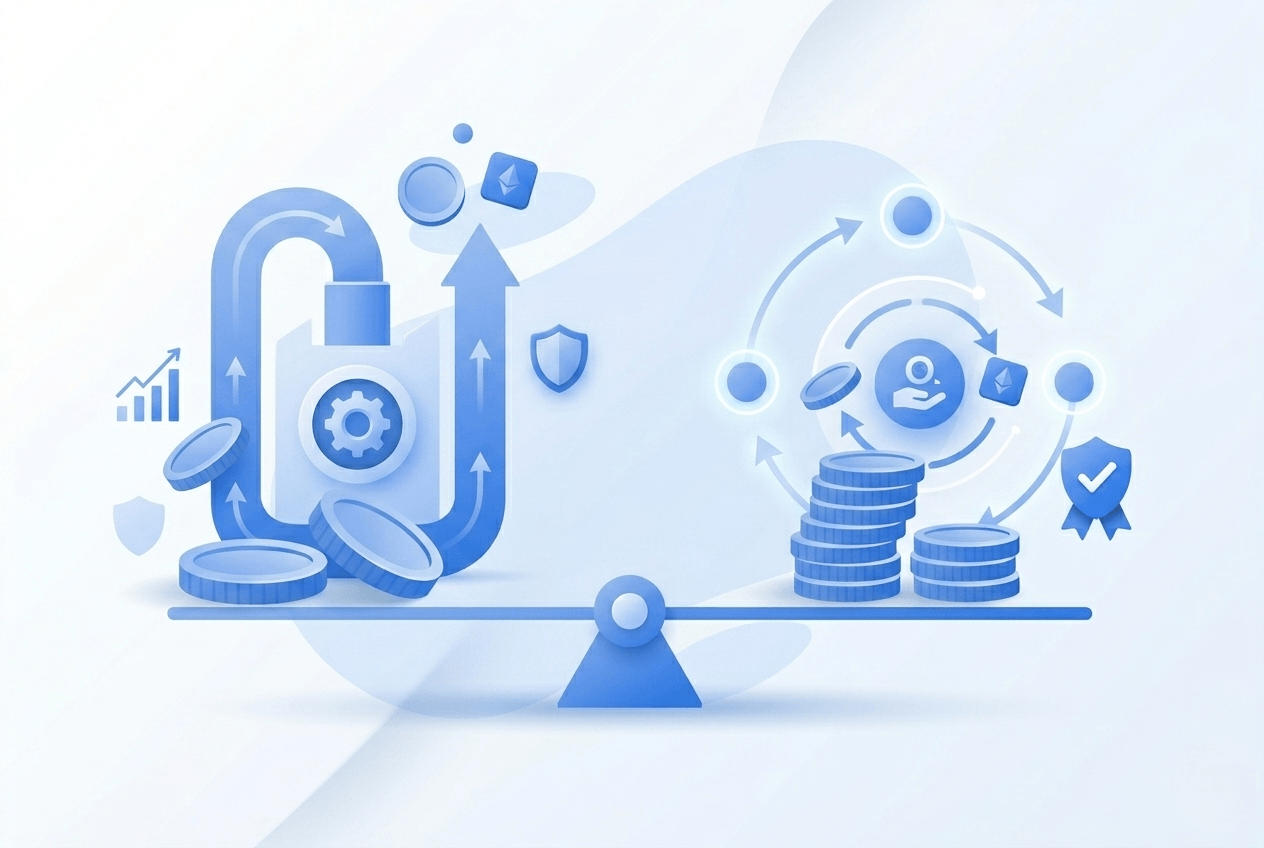
This is how traditional banks and “First Generation” crypto platforms like Nexo, CoinDepo, and YouHodler work.
Lune.fi uses a “Next Generation” approach. Instead of waiting for someone to borrow your money, Lune uses your capital to facilitate global financial activity.
| Feature | Traditional Lending (Nexo/YouHodler) | Real Revenue (Lune.fi) |
| Source of Profit | Interest paid by borrowers | Fees from market transactions |
| Market Dependency | Depends on people wanting to go into debt | Depends on global trading volume |
| Stability | Rates can drop if demand for loans falls | Consistently higher due to 24/7 volume |
| Sustainability | Higher risk during credit crunches | Highly sustainable “Real Yield. |
As we’ve seen in the past, credit-based systems can be fragile. If too many people default on their loans at once, a lending platform can struggle.
Real Revenue is different because it is based on Activity. As long as people are trading, moving money, and using digital assets, the fees are being generated. This makes platforms like Lune.fi feel less like a “bank” and more like a “toll booth”, collecting small, safe fees on every transaction that passes through the system.
The reason you can’t easily do this yourself is that finding the most profitable trading fees requires incredible speed. This is where Lune.fi’s cloud-automation comes in. It scans thousands of opportunities per second, moving your capital to the most efficient “toll booths” automatically. You get the professional-grade revenue without needing to be a professional trader.
If you want to grow your savings in 2026, don’t just look at the percentage; look at the source. Lending is a great 20th-century tool, but Real Revenue Automation is the engine of the future. By switching to a model based on actual market activity, you aren’t just getting higher yields; you’re getting a more sustainable way to build wealth